One motorhome. Three kids. Too many snacks.
This winter, we’re trading in our hay bales for highways, taking our farm-grown family on the road for a slow(ish), seasonal, slightly unhinged adventure through North America and back again.
-
Dream it.
It all begins with an idea. Maybe you want to launch a business. Maybe you want to turn a hobby into something more. Or maybe you have a creative project to share with the world. Whatever it is, the way you tell your story online can make all the difference.
-
Build it.
It all begins with an idea. Maybe you want to launch a business. Maybe you want to turn a hobby into something more. Or maybe you have a creative project to share with the world. Whatever it is, the way you tell your story online can make all the difference.
-
Grow it.
It all begins with an idea. Maybe you want to launch a business. Maybe you want to turn a hobby into something more. Or maybe you have a creative project to share with the world. Whatever it is, the way you tell your story online can make all the difference.
This post is the last in a short series sharing our family’s experience trying to build a home on working agricultural land.
We’re writing this the way we farm, steady, practical, and honest. Not as a rant, and not to point fingers. Simply to document what happens when long-used rural access meets modern development rules.
Over the next few days, we’ll share the human story, the history of the road, the geography of river valley farmland, the policy questions this situation raises, and the path we’ve chosen moving forward.
If you live, work, or care about rural land, we hope this adds some clarity to a conversation many families don’t realize they’re stepping into.
This post is the fourth in a short series sharing our family’s experience trying to build a home on working agricultural land.
We’re writing this the way we farm, steady, practical, and honest. Not as a rant, and not to point fingers. Simply to document what happens when long-used rural access meets modern development rules.
Over the next few days, we’ll share the human story, the history of the road, the geography of river valley farmland, the policy questions this situation raises, and the path we’ve chosen moving forward.
If you live, work, or care about rural land, we hope this adds some clarity to a conversation many families don’t realize they’re stepping into.
This post is the third in a short series sharing our family’s experience trying to build a home on working agricultural land.
We’re writing this the way we farm, steady, practical, and honest. Not as a rant, and not to point fingers. Simply to document what happens when long-used rural access meets modern development rules.
Over the next few days, we’ll share the human story, the history of the road, the geography of river valley farmland, the policy questions this situation raises, and the path we’ve chosen moving forward.
If you live, work, or care about rural land, we hope this adds some clarity to a conversation many families don’t realize they’re stepping into.
This post is the second in a short series sharing our family’s experience trying to build a home on working agricultural land.
We’re writing this the way we farm, steady, practical, and honest. Not as a rant, and not to point fingers. Simply to document what happens when long-used rural access meets modern development rules.
Over the next few days, we’ll share more of the human story, the history of the road, the geography of river valley farmland, the policy questions this situation raises, and the path we’ve chosen moving forward.
If you live, work, or care about rural land, we hope this adds some clarity to a conversation many families don’t realize they’re stepping into.
This post is the first in a short series sharing our family’s experience trying to build a home on working agricultural land.
We’re writing this the way we farm, steady, practical, and honest. Not as a rant, and not to point fingers. Simply to document what happens when long-used rural access meets modern development rules.
Over the next few days, we’ll share the human story, the history of the road, the geography of river valley farmland, the policy questions this situation raises, and the path we’ve chosen moving forward.
If you live, work, or care about rural land, we hope this adds some clarity to a conversation many families don’t realize they’re stepping into.
The word “agribusiness” has come up a lot in our recent conversations.
Technically, it includes farms like ours.
But the picture that word paints doesn’t always match the reality of small farms selling flowers, hay, and produce.
We wrote a short post about why definitions matter, especially when policy is involved.
New on the blog: What Do We Mean When We Say “Agribusiness”?
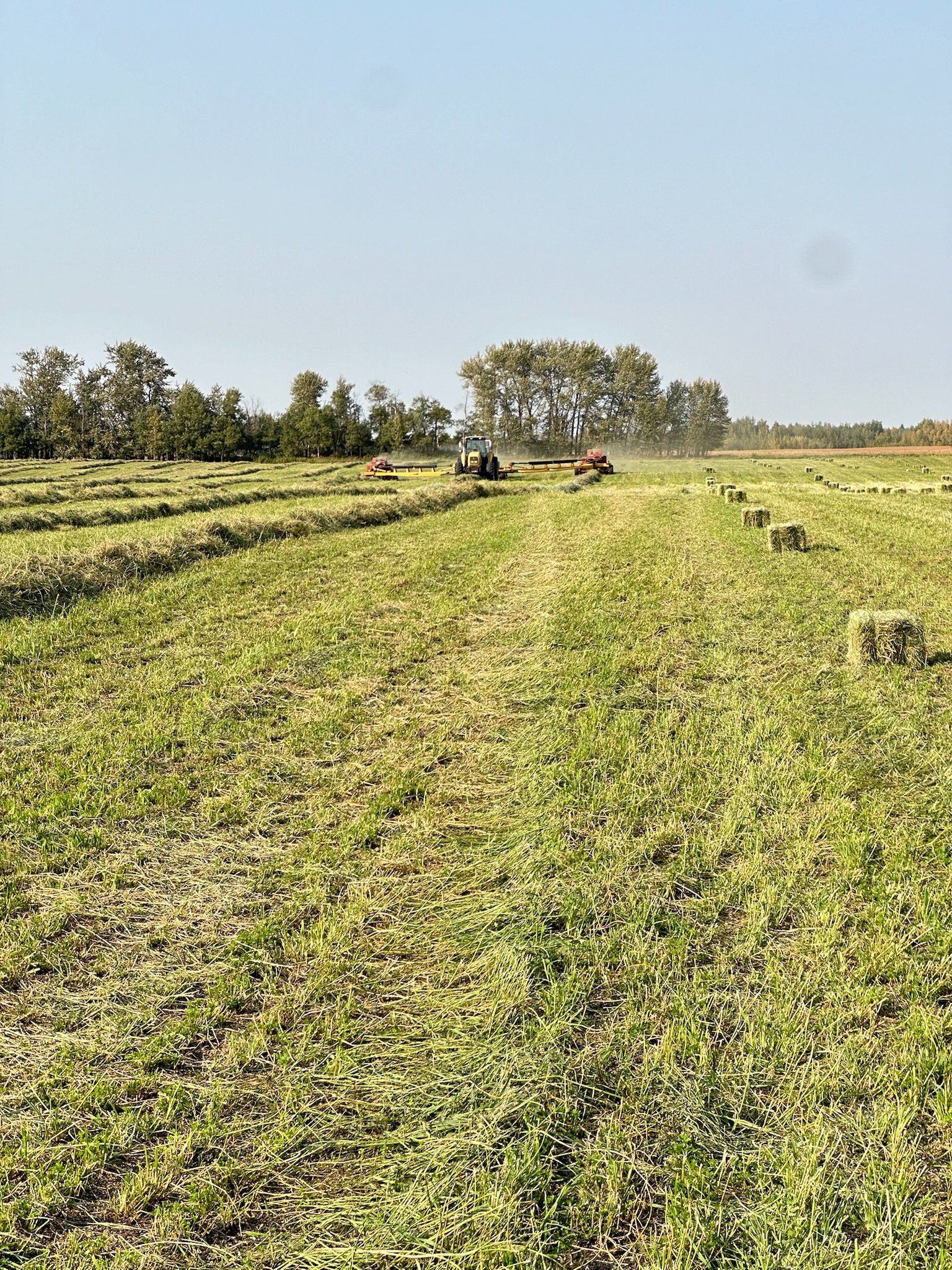
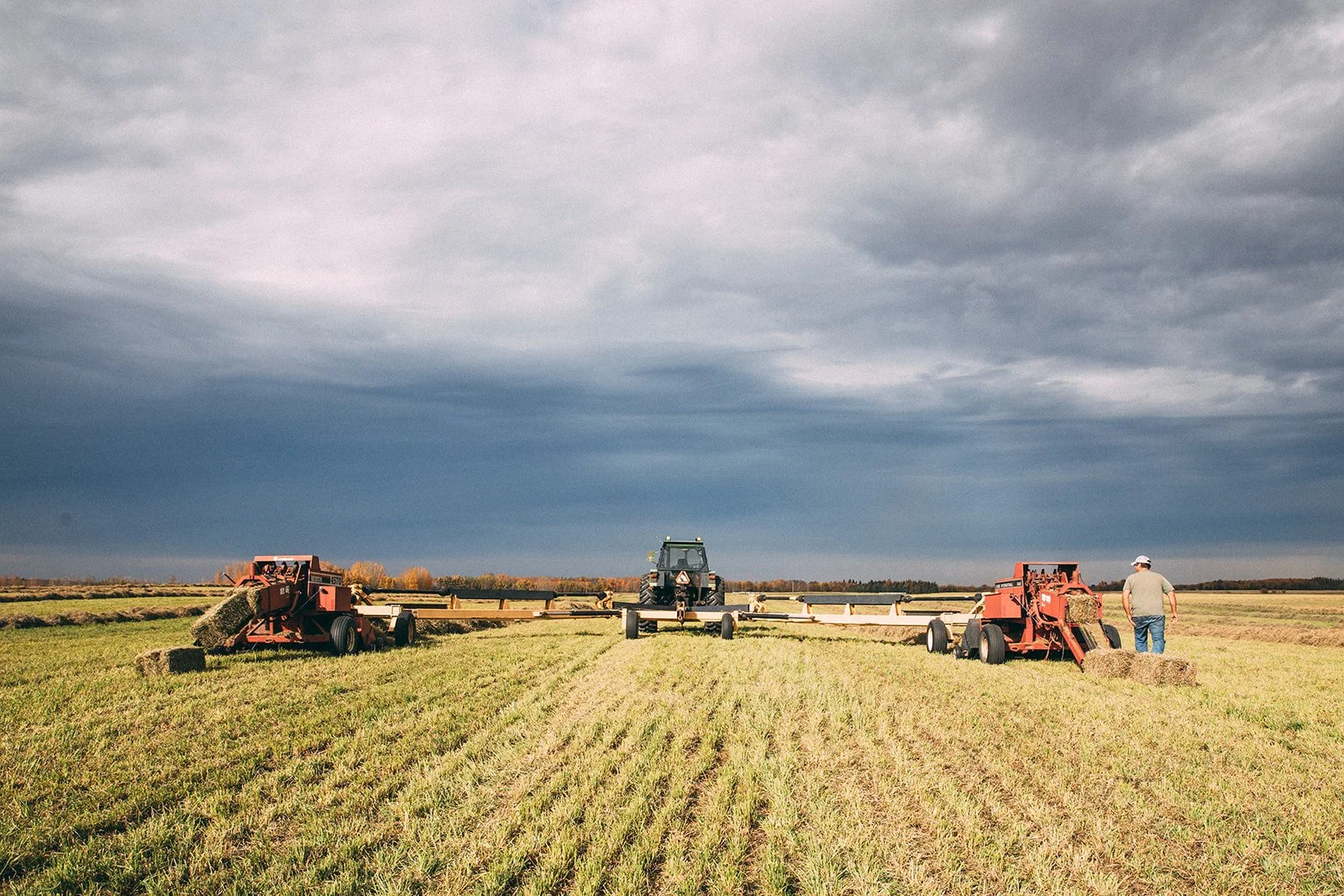
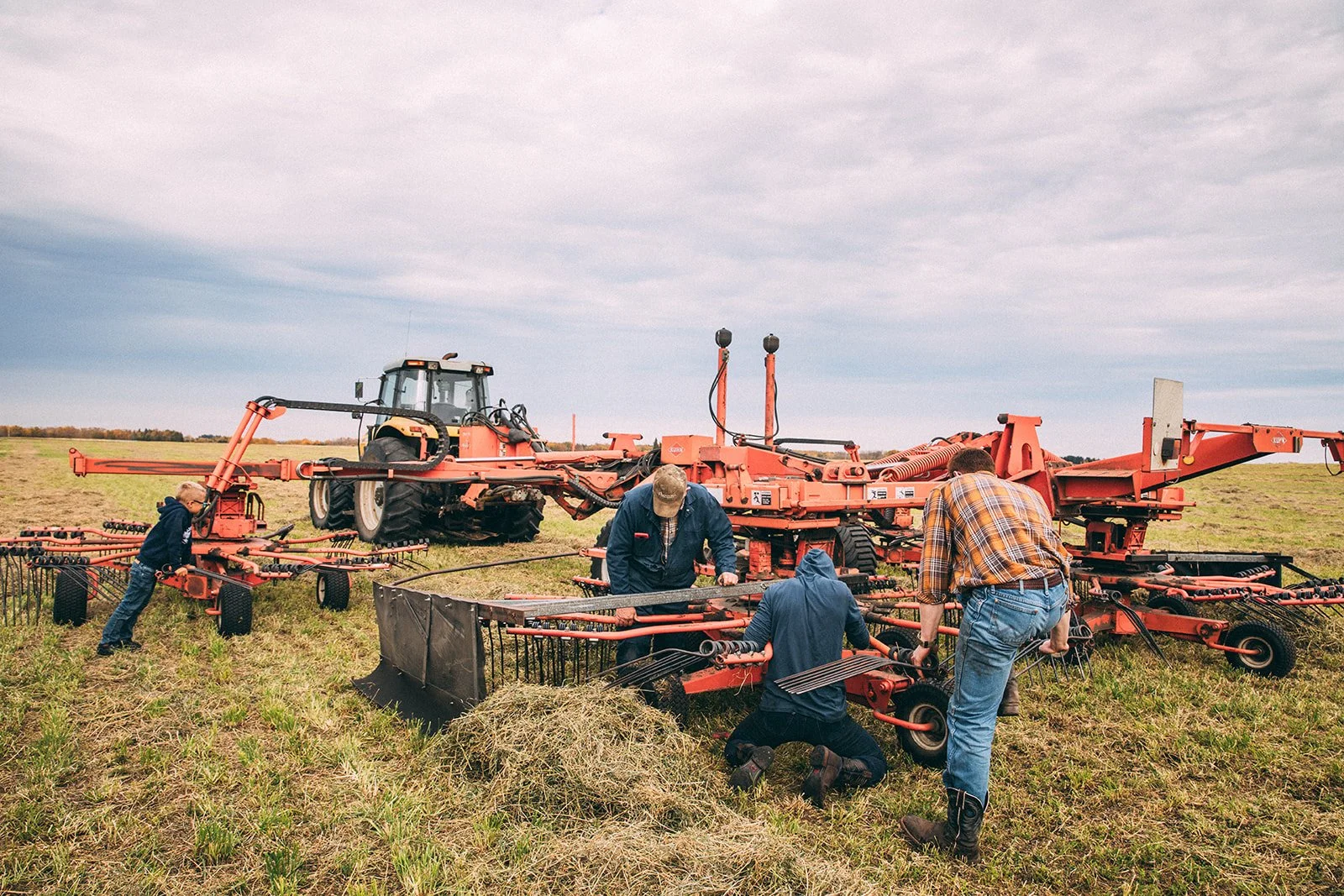
Three balers. One tractor. One crazy idea that stuck. The Triple Hitch means fewer dusty bales, more consistency, and enough hay to keep high-performance horses and easy keepers fed year-round.
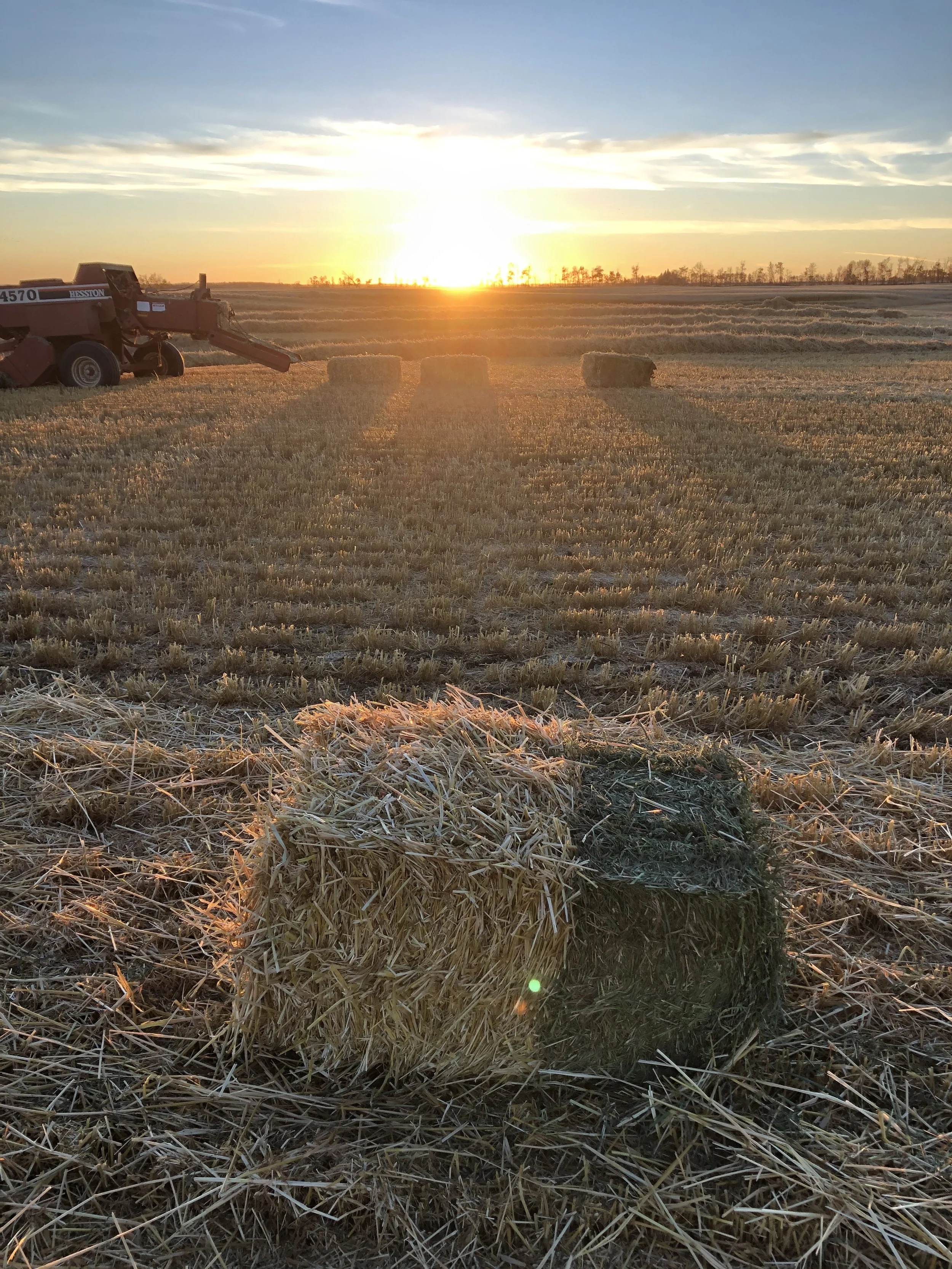
Cheap hay gets expensive fast if it sends you to the vet. Dust-free, clean bales are non-negotiable at Toews & Bale.
Hay isn’t just hay, it’s a science and an art. 🌱 Orchard grass, Timothy, Alfalfa… each tells a different story in the bale. Here’s how we decide what to seed, and why it matters to your animals.
25 years. Over a million bales. And a whole lot of mistakes we only needed to make once. 🌾 From bad twine to empty fuel tanks, here are the top lessons that keep Toews & Bale running strong.
Not all hay is created equal. 🐴🐄 A simple feed test can mean the difference between weight gain, respiratory issues, or happy, healthy animals. Here’s why we test every single field we bale.
Farmers aren’t machines. (Even if we sometimes feel like one.) Taking care of our nervous systems is just as important as taking care of the fields.
At the intersection of sport and farming, these two worlds may seem vastly different.
Though the leadership principles learned in sports are foundational for work on the farm, an approach to community-building has deep roots in Warren’s past as both a player and a coach.
In this post, we’ll dive into the common struggles of farming and minor sports and explore practical strategies to protect our mental and emotional well-being so we can show up strong for ourselves, our families, and our communities.
Farming is a Contact Sport
Farmers don’t push hard because they want to. They push hard because they have to. Except… at some point, the body calls in the debt.
On the surface, sports and farming seem worlds apart. One is about competition, performance, and winning. The other is about survival, persistence, and producing.
But underneath? The mentality is the same.


Farming has never been the easy road — and lately, we’ve been reminded just how many pieces have to line up to keep a small farm moving forward.
We wrote a new post about why we still choose this life anyway. It’s about muddy boots by the door, kids growing up with dirt under their nails, and the kind of work that’s hard but deeply worth it.
If you’ve ever wondered why families stay in agriculture despite the challenges, this one’s for you.